With winter arriving, battery data company Recurrent has published its yearly study of how much range electric cars keep in the cold. Using real-world driving data from more than 59,000 EVs in the U.S., Recurrent found that the 43 models it tracks keep 78% of their range on average at 32°F, compared with their range in ideal temperatures, usually 70°F to 80°F. At 20°F, a temperature Recurrent added to the study this year, they keep about 70%.
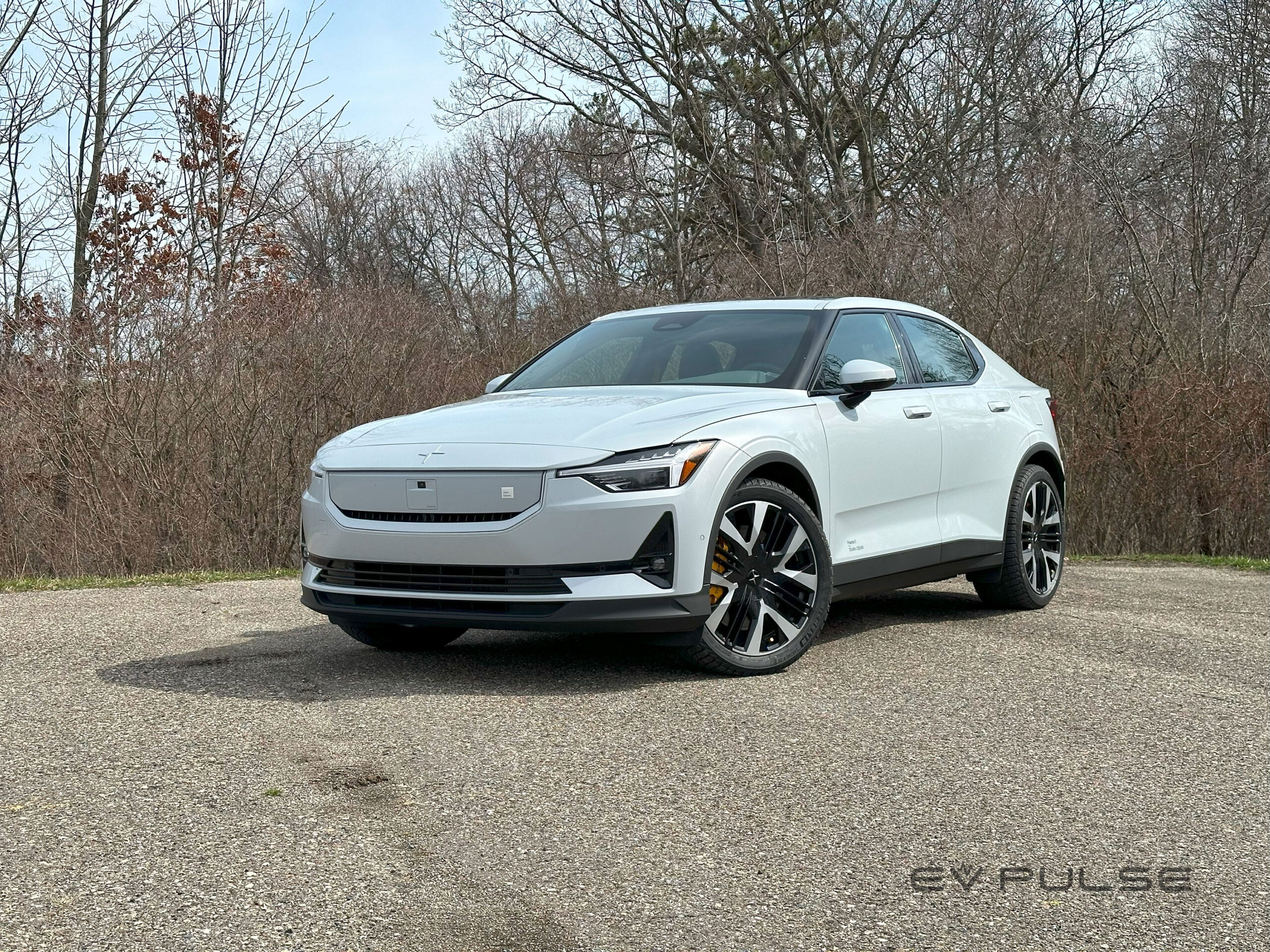
By automaker, Polestar came out on top this year, keeping 88% of its range at 32°F and 83% at 20°F. Tesla, which Recurrent says invested early in winter technology such as its Octovalve heat-management system, came second at 85% and 77%. Audi ranked third at 79% and 71%. Toyota finished last among automakers at 70% and 59%, just behind Mercedes-Benz at 72% and 62%.
Among individual models, the Tesla Model S led with 90% of its range at 32°F, followed by the Tesla Cybertruck at 89% and the Polestar 2 at 88%. The Toyota bZ4X and Mercedes EQS, both new to the study, had the lowest winter range of the models Recurrent tracks, at 70% and 71%. Several GM models also ranked low, including the Cadillac Lyriq at 74% and the Chevrolet Blazer EV at 71%, though the Chevrolet Silverado EV kept 84%. Recurrent believes GM sets the resistive heater that backs up its heat pump to switch on at a higher temperature than other automakers do, which keeps the cabin warmer at the cost of range.
Recurrent says a heat pump can add up to 8% of range at 32°F, which makes it worth looking for if you live somewhere cold. It also points out that winter range matters most on road trips, since highway speeds cut range further. Recurrent plans to add more models, including the 2027 Chevrolet Bolt, Rivian R2, Hyundai IONIQ 9, and Subaru Solterra, once it has more cold-weather data, with some expected in January.