Ford has started making battery cells for its affordable Fathom electric pickup. The first lithium iron phosphate (LFP) prismatic cells are rolling off the line at BlueOval Battery Park Michigan in Marshall and heading to Ford’s Louisville Assembly Plant in Kentucky, where they will power Fathom prototypes. Ford says it will be the first company to deliver LFP batteries made in the US for mainstream consumer vehicles.
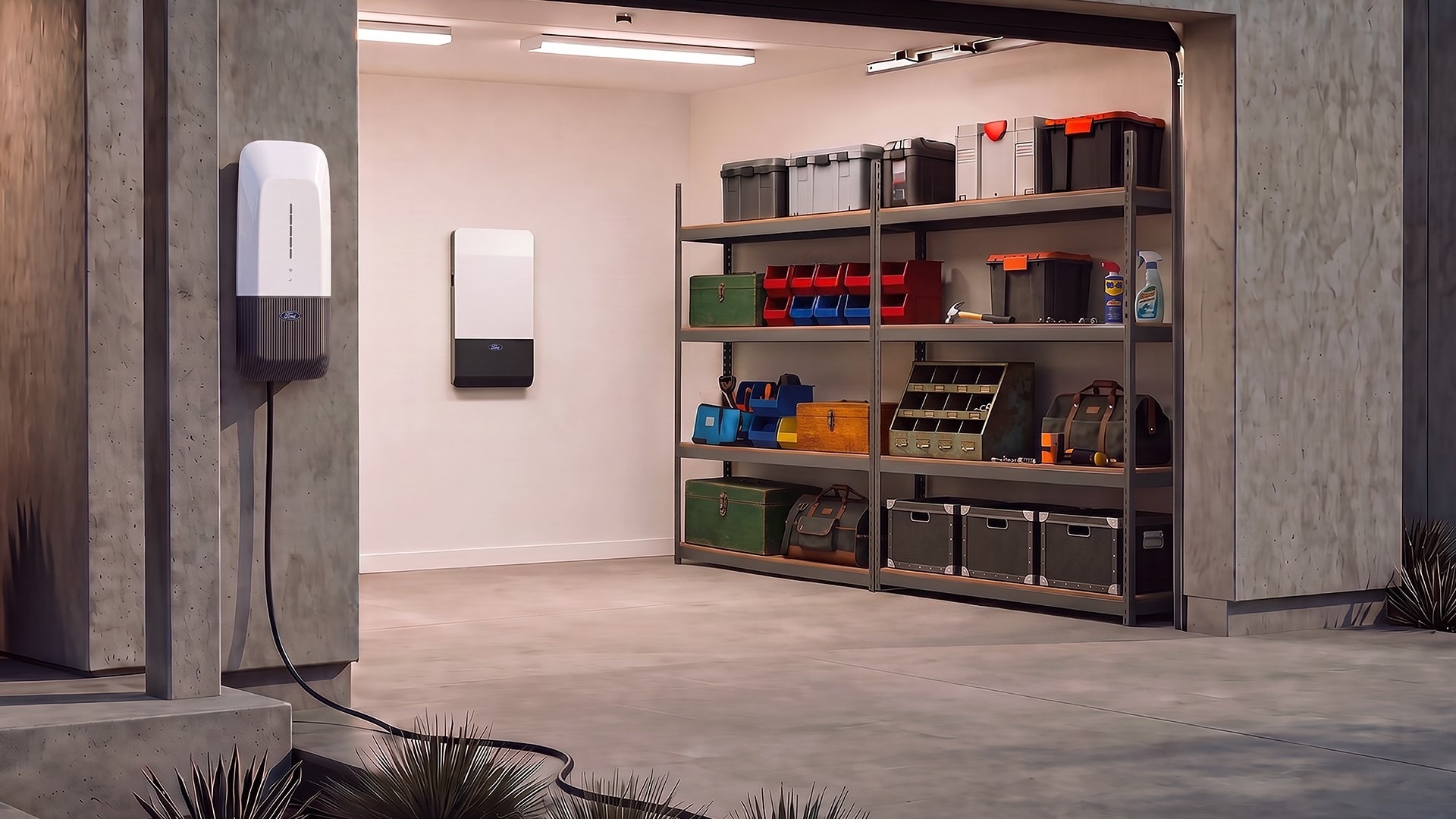
The Fathom starts at $28,350 when it arrives in 2027, and the battery is central to hitting that price. LFP chemistry uses no nickel or cobalt, which helps keep costs down, and it holds up well over years of charging. Ford says that durability matters because the Fathom can also send power back to a properly equipped home through AC bidirectional charging.
Ford says its search for a proven LFP technology that was ready to build at scale led it to CATL, the world’s largest battery maker. The Fathom’s pack is part of the truck’s structure rather than just a box bolted inside it, and Ford chose rectangular prismatic cells because they fit directly into the chassis and cut structural costs. Ford also merged electrical and sensing connections into a flexible circuit board and built compact power electronics into the pack.
The Marshall assembly lines can turn out 40 cells a minute, which Ford says makes them among the fastest LFP prismatic lines outside China. Workers use AI-powered image recognition to catch defects, and Ford says its goal is to make bad cells so rare that it tracks them per billion rather than per million. A battery pack plant in Marshall is planned to start in 2027, ahead of the Fathom’s launch.
What Ford learns in Michigan will also feed Ford Energy, its new business building battery energy storage systems in Glendale, Kentucky. “This milestone is about more than shipping our first cells. We’re building the expertise to produce high-quality batteries at scale,” wrote Charles Poon, Ford’s vice president of hardware engineering. Ford recently shared other battery news, saying 36,000 early Mustang Mach-Es kept 92 percent of their battery health.